

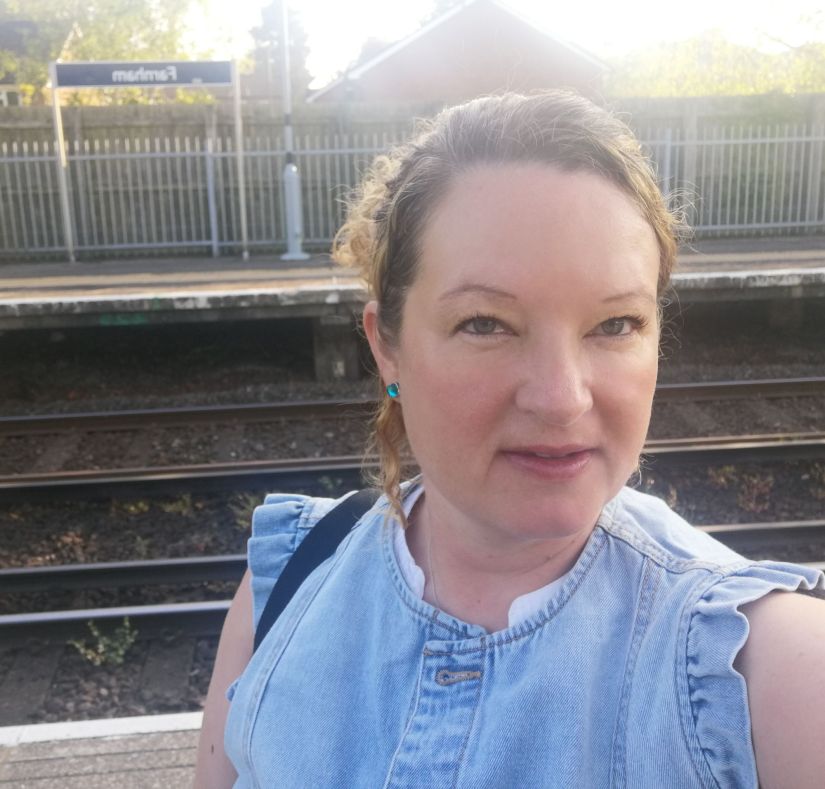
There I said it – THE MENOPAUSE. The reason I say that is because it seems like no one wants to talk about the menopause. When you’re not going through it, you don’t have the time to:
A) think about it
B) be in the know as you’re obviously way to young to be going through it!
This time last year, I started my menopause journey, aged 46. I was all over the place, emotionally exhausted and physically knackered not really understanding who I was anymore. But when the penny finally dropped that I was perimenopausal, there was so much to talk about but not so many people that wanted to talk to me about it.
It’s like you’ve got the ‘ick’ all of a sudden. Why don’t we talk about the menopause? And why is it so frustrating to open up to anyone? I guess it’s because we are all just so busy coping with our day-to-day lives and the different roles we play plus it’s made out to be either another negative to talk about or another ‘label’ to add to the list!
Menopause is a natural thing but there’s this air about it – i.e. that you should keep it to yourself and just deal with it! But I don’t want to suffer in silence and why should I have to. We talk about everything these days, so why not the menopause which effects everyone – yourself, the people around you, your family and how you respond to certain situations and your surroundings. Who knows, if we actually talk about it we may be able to help and support each other with it.
When I finally worked out that this was what I was going through – be it perimenopausal or even the menopause my first reaction was ‘it can’t be?’ and ‘I honestly don’t feel that old’ (denial) even if my body says otherwise! However my instinct, because I’m naturally a ‘doer’ was to do something about it to feel better and learn to cope with it.
The menopause and perimenopause mark the end of a women’s menstrual cycle and fertility, typically occurring in women between the ages of 45 and 55, but it can happen earlier and the perimenopause (transitional phase before menopause) can last anywhere from 2-7 years with the average duration being 4 years (Taken from The Menopause Charity | Menopause Explained).
I did my research and spent time looking at my health, diet, exercise and sought medical advise plus delved into various support groups/forums at work and at home but everything felt stressful and overwhelming. I couldn’t stop crying and I was struggling with both the ‘night sweats’ and constant ‘brain fog’. Several people encouraged me to watch the Davina McCall: Sex, Myths and the Menopause documentary – although very helpful and insightful now, I was an emotional wreck at the time of watching it.
Symptoms, although different for everyone, can include hot flashes, mood changes, problems with memory (brain fog), headaches, muscle pain, skin changes and sleep disturbances due to hormonal changes (Taken from NHS website).
I’ve really struggled with the brain fog – which is not surprising as I’m neurodivergent too! Apparently, the menopause can significantly impact people with dyslexia by exacerbating existing cognitive challenges like ‘brain fog’ and affecting working memory and processing speed.
I also had to stop the running for a while which I found extremely hard on my wellbeing. It just didn’t feel like fun anymore and my joints/muscles were hurting and aching too much before I’d even run out the door. The hormone changes that I was going through due to the menopause were contributing to my muscles aching.
Because of my never ending research and curiosity, my socials now want to remind me daily that there’s diets, pills, exercises, leggings, gadgets, horrible drinks to try plus how hard it is to loose weight now that your menopausal. I’m not going to lie, it sometimes feels like it’s a constant battle which could last for years and years.
A year on and I have good days and bad days. The good news is that I now feel ‘in the know’ and also more in control. I suppose, I’ve listened to my body and worked out what it needs and what it responds to. But everybody is different and not everything that works for me works for everyone. Plus over time what works now might not.
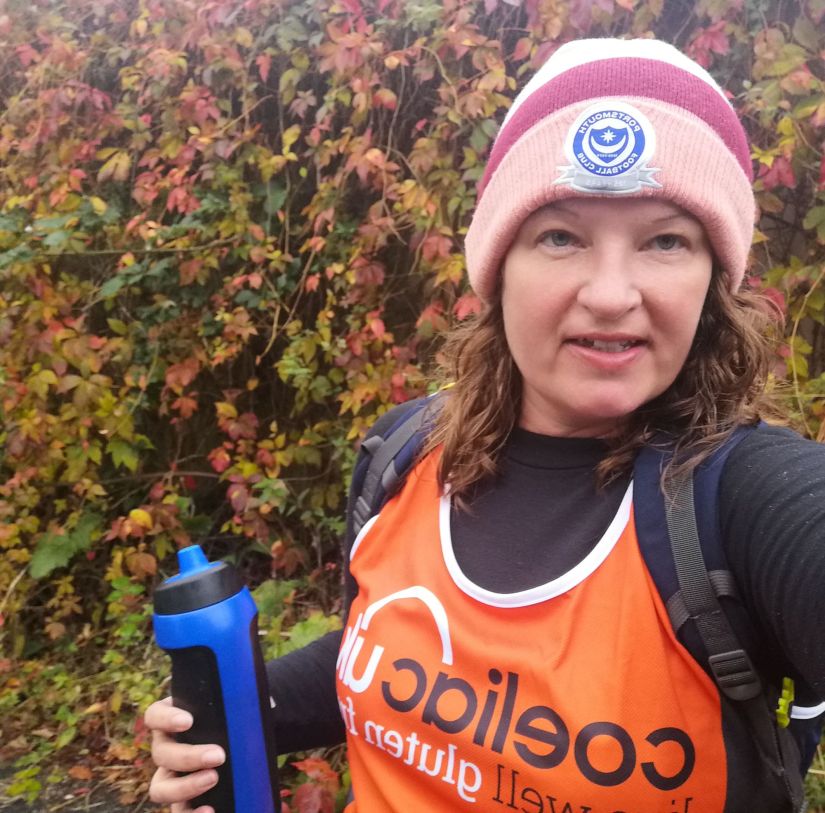
I’ve tried HRT (its not for me at the moment but I’m not saying never!) and I’m now trying the natural/herbal route – enjoying my ginger shots in the morning (good for my energy levels and digestion), drinking peppermint tea (de-stressing), cutting down on the alcohol (which is definitely helping me sleep better) and taking herbal remedies that help with my night sweats. The brain fog is working progress but using the tools and techniques I have learnt for my dyslexia has helped me. Also, giving myself some much needed #MeTime to write #MyWorld has helped too. I’m also running again – definitely not as much as I did but I’ve made sure I’m giving my body the recovery time it needs and the fuel it needs to start enjoying it again.
I don’t shy away from the fact that I’m menopausal and I’m not afraid to talk about it – that’s because there’s a lot of us going through it and there’s a need to talk more about it. October is menopause awareness month but we shouldn’t just be talking about it this month – we need to talk about it whenever we feel the need to.
Don’t worry, I’m not going to wear the t-shirt or add ‘menopausal’ to my profile but if you want to reach out to me, have a natter and a coffee, walk or go for a run to talk about it, I’m more than happy to do so and would welcome the support too.
Hi I’m Claire-Marie – a women who’s perimenopausal and who’s also neurodivergent – scrap that, it’s far to indulgent. Let me rephrase that – Hello, I’m Claire-Marie – a stressed, sweaty, forgetful but happy/go lucky 40+ female who’s happy to talk about the MENOPAUSE. 💬
#TimeToTalk #MenopauseAwarenessMonth #BreakTheStigma #MenopauseMatters
Menopause support 📖
Some useful links to learn more and find the help/support you need:
 #MyWorld